
BENGALURU:
Ceiling height, often an overlooked aspect when buying an apartment, is increasingly becoming a point of contention between homebuyers and developers, with property owners turning to the Karnataka Real Estate Regulatory Authority (K-RERA) seeking compensation for flats that they claim fall short of prescribed or promised specifications.
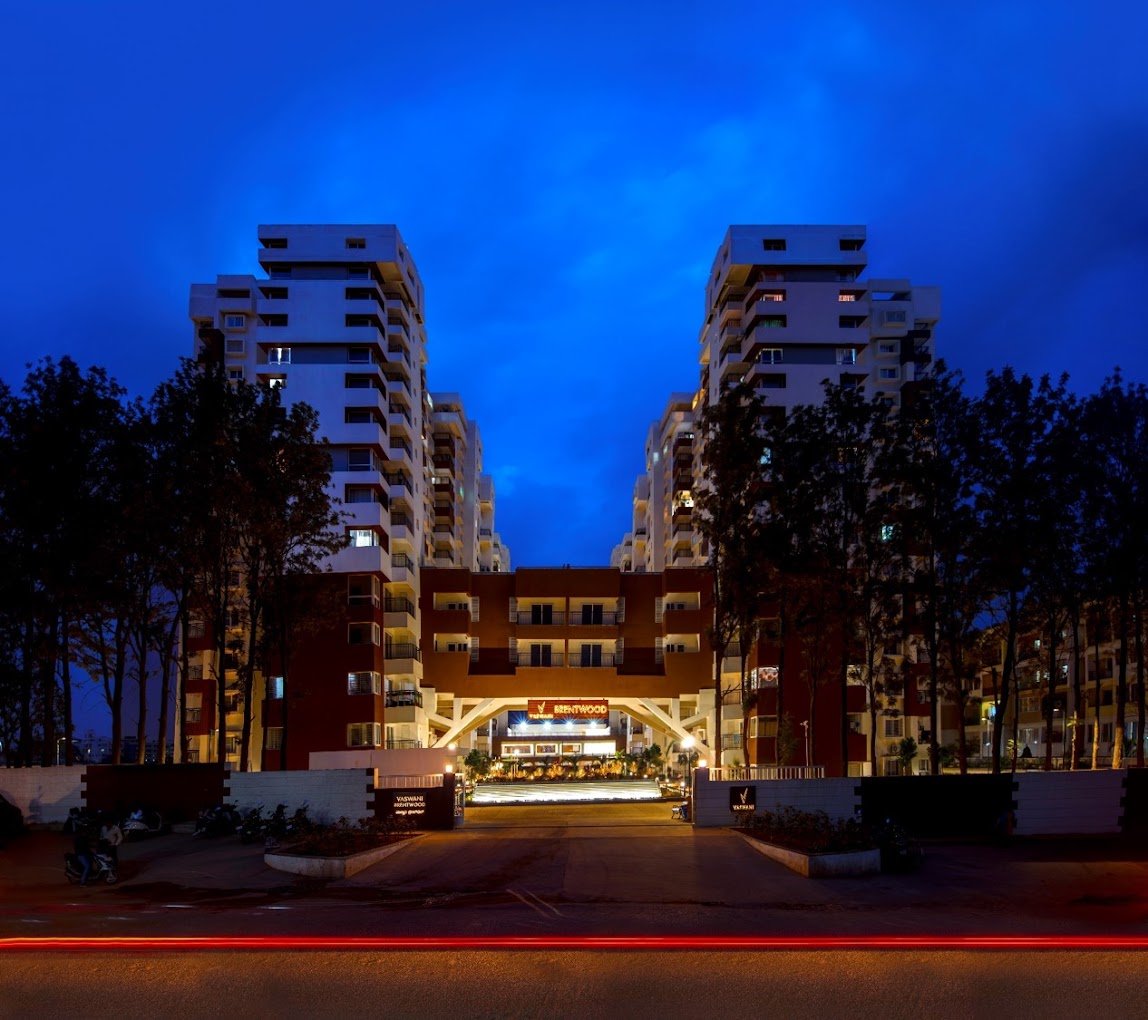
In the latest instance, K-RERA has directed Bengaluru-based developer Vaswani Group to pay ₹6.77 lakh to a homebuyer who complained that his apartment in Vaswani Brentwood at Thubarahalli in east Bengaluru had a ceiling height of only 7 to 8 feet, against the prescribed standard. The authority also directed the developer to pay ₹7,000 towards litigation costs.
The developer had launched the project in September 2012 and handed over the flats around February 2016.
The order, pronounced by K-RERA adjudicating officer Maheshwari Shrimath on July 30, 2026, found that the ceiling height in the complainant’s flat was not in accordance with the BBMP building bye-laws. The authority noted that the minimum height prescribed under the bye-laws for a habitable room is 2.75 metres, measured from the floor surface to the lowest point of the ceiling. For air-conditioned rooms, the prescribed height is not less than 2.40 metres, measured up to the lowest point of the air-conditioning duct or false ceiling, as applicable.
The complainant had purchased a 2-BHK flat, A-1402 on the 14th floor of Block A, in Vaswani Brentwood through a sale deed executed on August 29, 2016, for ₹68.87 lakh. He alleged that the ceiling height of his flat was only 7 to 8 feet, while the other floors had a standard room ceiling height of nine feet. He cited several problems, including poor airiness, the risk of coming into contact with ceiling fans, reduced resale value and difficulty in installing false ceilings and standard-height furniture. 5790watermark
The developer, however, maintained that the project had been completed according to the sanctioned plan and had obtained an occupancy certificate from the BBMP. It also argued that the buyer had inspected the apartment and accepted its specifications before taking possession.
It relied on the clause in the sale deed under which the purchaser had agreed that the apartment’s area, specifications and amenities were as per the agreed terms.
K-RERA rejected this defence, pointing out that the sale deed did not specify the ceiling height of the apartment. It also noted that while the developer had produced a modified sanctioned plan showing a height of 2.83 metres (9.2 feet), no actual measurement of the complainant’s flat had been carried out by an authorised person or agency. The authority observed that the developer had not specifically denied the buyer’s claim regarding the actual height.
The authority subsequently calculated the shortfall as 0.27 metres (10.63 inches), comparing the 2.83-metre height shown in the modified plan with the actual height claimed by the buyer. It held that the complainant was entitled to compensation for the shortage in ceiling height and calculated the compensation at ₹6,77,175.
The developer has been given 60 days to comply with the order. Failure to do so would attract interest at MCLR plus 2% per annum from the 61st day until payment.
The case is significant as the second instance in which K-RERA has recently provided relief to an apartment buyer over a deviation concerning the physical specifications of Vaswani Brentwood project, indicating that buyers are increasingly using the regulator to challenge discrepancies between what they expected and what was actually delivered.
The Vaswani Brentwood project was an unregistered project, but the authority nevertheless entertained the complaint under Section 31 of the RERA Act. The order also held that the complaint was within the permissible period for raising a structural defect, noting that the buyer had informed the developer about the ceiling-height issue in May 2017 and filed the complaint in March 2020.
Interestingly, the project has a 4.1-star rating on Google, with none of the reviews flagging concerns over the ceiling height.